
If you’ve had a body contouring treatment like Cryoslimming or Ultrasonic Cavitation, you may have heard your provider recommend a lymphatic drainage massage as a follow-up. Here’s what that recommendation is actually based on.
What the Lymphatic System Does After a Treatment
Your lymphatic system is responsible for clearing excess fluid, cellular waste, and byproducts out of your tissue. Body contouring treatments whether surgical liposuction or non-surgical methods that break down fat cells create additional waste material that the body needs to process and flush out. When that fluid isn’t cleared efficiently, it can lead to swelling, puffiness, or a feeling of tightness in the treated area that lingers longer than it needs to.
Why It’s Recommended After Body Contouring Specifically
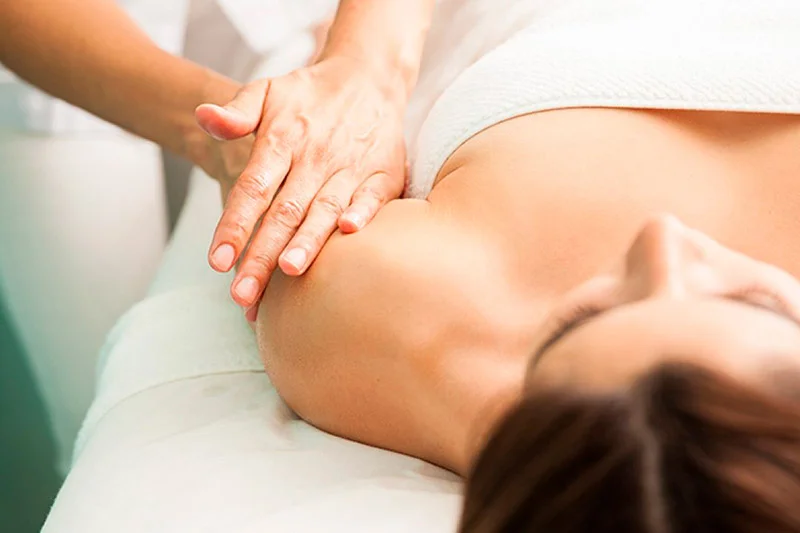
The American Society of Plastic Surgeons notes that lymphatic massage is important after body contouring procedures in part because the treatment itself shifts where fluid drainage in that area needs to go, so the massage helps guide the lymphatic system to adapt. Manual lymphatic drainage uses very light, rhythmic pressure that follows the natural direction of lymph flow, moving fluid toward the nearest lymph nodes where it can be processed and cleared through the bloodstream.
It’s worth being upfront about the evidence here: most of the clinical support for lymphatic drainage is drawn from surgical body contouring (liposuction, tummy tucks), where it’s well established as part of recovery protocols. For non-surgical treatments like Cryoslimming or Ultrasonic Cavitation, the research is thinner, though many practitioners recommend it for the same reason the treated area still has fat cell breakdown byproducts to clear, and gentle lymphatic stimulation is considered low-risk when done correctly.
What It Can Help With
- Reducing temporary puffiness or swelling in the treated area
- Supporting circulation and fluid movement after fat-reduction treatments
- Making results from body contouring more visible sooner, since lingering fluid retention can mask progress
- General comfort, since the technique is gentle and often relaxing rather than a deep-tissue massage
What It Isn’t
Lymphatic drainage massage isn’t a fat-loss treatment on its own, and it’s not a substitute for the body contouring session itself. Its role is supportive, helping your body process what the primary treatment already did, rather than creating additional fat reduction independently.
When to Consider Scheduling One
Many providers suggest lymphatic drainage in the days immediately following a body contouring session, when fluid buildup tends to be most noticeable, though your provider can advise on timing based on your specific treatment. If you’re also using Pressotherapy as part of your routine, the two are often used together since both work with the lymphatic and circulatory systems, just through different mechanisms.
Frequently Asked Questions
No. Regular massage uses deeper pressure and can actually increase swelling in a healing area. Lymphatic drainage uses very light, rhythmic pressure specifically designed to move fluid toward the lymph nodes without aggravating the treated tissue.
This varies by treatment and provider, but many recommend scheduling it in the days following your session, when fluid retention and swelling tend to be most noticeable.
The strongest evidence comes from surgical procedures like liposuction. For non-surgical treatments, the research is more limited, though the underlying rationale supporting the body’s natural fluid clearance is the same, and the technique is considered low-risk.
Not directly. It’s a supportive treatment that helps clear fluid and waste byproducts, not a fat-reduction treatment on its own.
This depends on your individual treatment and response, so it’s best discussed with your provider based on the specific procedure you had.
The Bottom Line
Lymphatic drainage supports what your body contouring treatment already started by helping clear fluid and waste from the treated area, easing swelling, and making results more visible sooner. It’s a supportive step, not a replacement for the treatment itself.
Considering pairing lymphatic drainage with your next treatment? Schedule a consultation with BFit N Well to build a plan that fits your goals.